
Focus on Flexible Pricing Models
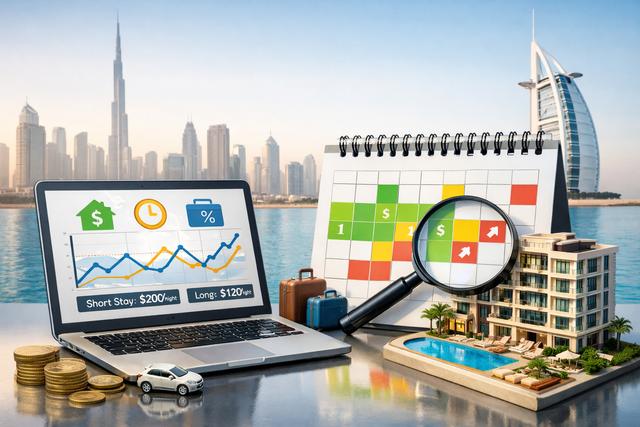
To attract long-stay guests, implement flexible pricing models that cater to their needs. Offering discounts for extended stays can be a game changer. For instance, consider providing a 10-20% discount for guests booking a week or more. This strategy not only increases your occupancy rates but also enhances guest loyalty. According to a report by STR, hotels that offer flexible pricing see a 15% increase in bookings during off-peak seasons.
Moreover, consider tiered pricing based on the length of stay. For example, if a guest books for 30 days, you could offer a more significant discount compared to a 7-day stay. A tiered structure can look something like this:
- 7-14 days: 10% discount
- 15-30 days: 15% discount
- 30+ days: 20% discount
This encourages guests to commit to longer durations, ensuring steady revenue during slow periods. Implementing such pricing strategies can help you fill rooms that would otherwise remain vacant.
Enhance Your Amenities
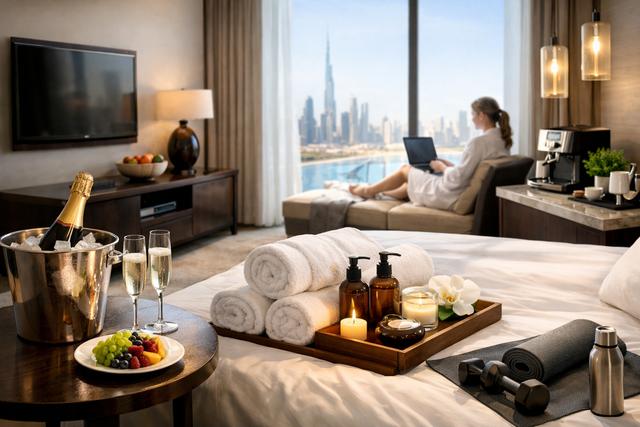
Long-stay guests often seek comfort and convenience. Invest in amenities that make their stay enjoyable. Think about offering fully equipped kitchens or laundry facilities. According to a study, 60% of long-term travelers prefer accommodations with kitchen access, as it allows them to save on dining expenses. By providing a kitchen, you not only cater to their needs but also position your hotel as a cost-effective choice.
Additionally, consider providing workspace options. With many professionals working remotely, a comfortable and quiet area can make your hotel more appealing. High-speed internet and ergonomic furniture are essential to attract this demographic. You could even create a dedicated co-working space within your hotel, which can be a major draw for business travelers.
Don't forget to enhance the overall experience by offering leisure amenities. For example, consider adding a small gym, a pool, or even a garden area where guests can relax. These facilities can make a significant difference in guest satisfaction and encourage longer stays.
Promote Local Experiences

Long-stay guests are typically looking to immerse themselves in the local culture. Promote packages that include local tours, cooking classes, or cultural experiences. For example, you could partner with local businesses to offer discounts on city tours or culinary experiences. A package that includes a cooking class with a local chef or guided tours of nearby attractions can be very attractive.
Highlighting these local experiences not only attracts long-stay guests but also enhances their overall experience. A guest who feels connected to the local culture is more likely to return and recommend your hotel. You might include a brochure in each room detailing local events, festivals, and attractions happening during their stay.
Leverage Digital Marketing
Utilize targeted digital marketing strategies to reach potential long-stay guests. Use social media platforms to showcase your hotel’s unique offerings. Share testimonials from previous long-stay guests to build trust and credibility. A study by BrightLocal found that 91% of consumers read online reviews before making a purchase decision, so positive testimonials can significantly influence bookings.
Consider using Google Ads to target specific demographics. By focusing on keywords related to long-term stays, you can reach travelers actively searching for accommodations. Additionally, email marketing can be effective. Send tailored offers to previous guests who may be interested in extended stays. Segment your email list to target those who have previously booked long stays, and offer them exclusive deals.
Create a Loyalty Program
A well-structured loyalty program can significantly boost your long-stay guest numbers. Offer points for each night stayed, which can be redeemed for free nights or upgrades. According to research, 65% of consumers are more likely to book with a hotel that offers a loyalty program. Consider implementing a tiered system where guests earn more points for longer stays.
For example:
- 1 point per night for stays of 1-5 nights
- 1.5 points per night for stays of 6-14 nights
- 2 points per night for stays of 15 nights or more
This not only encourages longer bookings but also fosters a sense of belonging and appreciation among your guests. Promote your loyalty program on your website and in your marketing materials to ensure potential guests are aware of the benefits.
Optimize Your Booking Process
Simplifying the booking process can significantly impact your occupancy rates. Ensure your website is user-friendly and mobile-optimized. A seamless booking experience can increase conversion rates by up to 80%. Use clear calls to action and ensure that the booking process is straightforward and quick.
Additionally, consider integrating a booking engine that allows for flexible dates and lengths of stay. This caters to guests who may be unsure about their travel plans. Providing clear information about your long-stay options can also help potential guests make informed decisions. For instance, you could create a dedicated section on your website for long-stay offers, making it easy for guests to find what they need.
Utilize Guest Feedback
Regularly collect and analyze guest feedback to improve your offerings. Use surveys to understand what long-stay guests value the most. This data can help you refine your amenities and services to better meet their needs. Consider implementing a feedback system that allows guests to easily share their thoughts during and after their stay.
For instance, if multiple guests mention the need for more kitchen supplies, consider enhancing your kitchen inventory. This not only improves guest satisfaction but also encourages positive reviews, which can attract more long-stay guests. You can also showcase these improvements on your website or social media to demonstrate your commitment to guest satisfaction.
Monitor Competitor Strategies
Keep an eye on your competitors and their strategies for attracting long-stay guests. Analyze their pricing models, amenities, and marketing efforts. This will help you identify gaps in your offerings and areas for improvement. Conduct regular market research to understand what competitors are doing well and where you can differentiate yourself.
Additionally, consider using tools like the ADR calculator to assess your pricing strategy. Understanding your average daily rate in comparison to competitors can help you make informed decisions about your pricing and promotional strategies. Knowing the market can empower you to adjust your offerings to remain competitive.
Conclusion
Attracting long-stay guests during demand slumps requires a strategic approach. By focusing on flexible pricing, enhancing amenities, promoting local experiences, and leveraging digital marketing, you can effectively boost your hotel's occupancy rates. Remember to continuously monitor guest feedback and competitor strategies to stay ahead in the market.
For more insights on optimizing your hotel management strategies, check out our blog for the latest trends and tips. Implement these strategies to ensure your hotel remains a top choice for long-stay guests, even during challenging times.