
Technology's Role in Enhancing Guest Communication
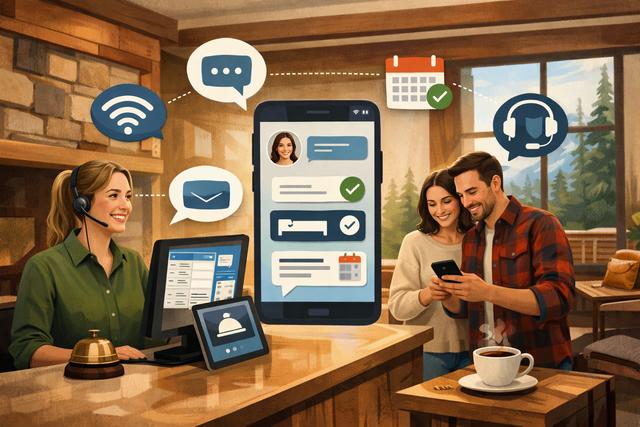
To boost guest communication, boutique hotels must embrace technology. By utilizing tools like Travel Outlook, you can streamline interactions, making them more efficient and personalized. This not only enhances the guest experience but also fosters loyalty, which is crucial for repeat bookings.
For instance, hotels using automated messaging systems can send pre-arrival information and personalized greetings. This approach can lead to a 20% increase in guest satisfaction, as noted in various hospitality studies. Additionally, using chatbots to answer common queries can improve response times by over 50%, allowing your staff to focus on more complex guest needs.
Consider implementing a system where guests can text or message the hotel directly for inquiries or requests. This can create a more relaxed environment for guests, as they can communicate in their own time rather than waiting for a phone call. A case study from a boutique hotel in California reported a 30% increase in positive reviews after introducing a messaging system, showcasing the power of technology in enhancing communication.
Understanding the Needs of Your Guests
Knowing your guests' preferences is key. Implementing customer relationship management (CRM) systems allows you to gather data on guest behaviors and preferences. This data can help you tailor your communication and offers, leading to higher conversion rates.
For example, if a guest frequently books spa services, you can send them targeted promotions for those services during their stay, increasing your chances of upselling. Research shows that personalized marketing can boost conversion rates by up to 10%. You might also consider segmenting your guests based on their booking history and preferences, allowing you to create tailored marketing campaigns that resonate more effectively.
In practice, this means collecting data not just on what services guests use, but also on their feedback and preferences. For example, if a guest mentions a preference for organic food in their feedback, you can use this information to highlight your organic menu options in future communications. This level of personalization can significantly enhance the guest experience and encourage repeat visits.
Utilizing Multi-Channel Communication
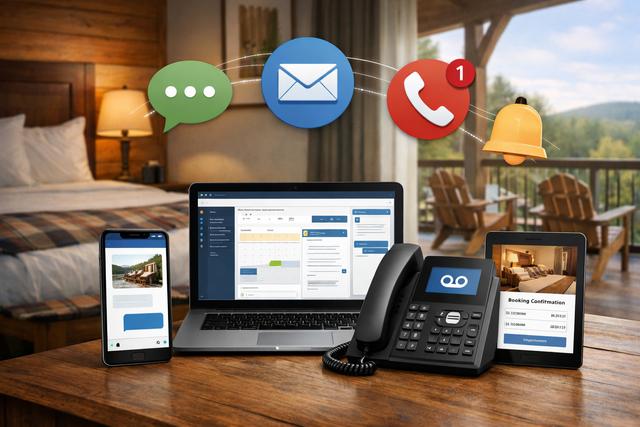
Don’t limit your communication to just one channel. Utilize email, SMS, and social media to reach your guests where they are. Multi-channel communication ensures that your messages resonate and are received promptly.
For instance, sending a pre-arrival email followed by an SMS reminder can significantly reduce no-show rates. According to studies, hotels that employ multi-channel strategies see a 15% decrease in no-show rates. You can also use social media platforms to engage with guests, offering real-time updates and promotions.
Consider creating a dedicated social media campaign that highlights local events or special offers at your hotel. Engaging content, such as behind-the-scenes videos or guest testimonials, can foster a sense of community and encourage potential guests to book. A hotel in New York saw a 40% increase in engagement after launching a targeted Instagram campaign that showcased their unique offerings.
Automating Guest Feedback for Improvement
Automating guest feedback is essential for continuous improvement. Tools that collect feedback in real-time can help you identify areas needing attention. This proactive approach can lead to better guest experiences and higher ratings.
For example, implementing a feedback system right after check-out can yield insights into guest satisfaction, allowing you to address issues before they escalate. Research indicates that hotels responding to feedback can improve their ratings by as much as 25%. Consider using platforms that allow guests to rate their experience immediately, and ensure that your management team reviews this feedback daily.
Additionally, you can use feedback to train your staff. If multiple guests mention that check-in was slow, it’s a sign that staff may need additional training or that you need to streamline the check-in process. By addressing these concerns, you can improve operational efficiency and guest satisfaction simultaneously.
Leveraging Technology to Drive Reservations
Technology can directly impact your reservation numbers. By integrating a user-friendly booking engine on your website, you can facilitate easier bookings. A seamless booking experience can increase direct bookings by up to 30%.
Consider the case of the Ozarker Lodge, which saw a 25% increase in direct bookings after implementing a new booking engine. This showcases the importance of having the right technology in place to capture potential guests. Make sure your booking engine is mobile-friendly, as over 50% of travelers book accommodations via their smartphones.
Additionally, consider offering incentives for direct bookings, such as discounts or complimentary services. For instance, a hotel in Florida offered a 10% discount for direct bookings, which led to a 15% increase in overall revenue. By making it more appealing for guests to book directly through your website, you can reduce reliance on third-party booking platforms and increase your profit margins.
Enhancing the Guest Experience with Personalization
Personalization is no longer just a trend; it’s a necessity. By using data analytics, you can create tailored experiences for your guests. This could be as simple as remembering their favorite room or offering customized dining options.
For instance, if a guest has previously enjoyed a specific dish, sending them a personalized menu highlighting that dish can enhance their experience. Studies show that personalized experiences can lead to a 30% increase in guest retention. You might also consider sending personalized welcome gifts based on guest preferences, which can significantly enhance their overall experience.
Additionally, consider creating loyalty programs that reward guests for their preferences. A hotel chain that implemented a loyalty program based on guest preferences reported a 20% increase in repeat bookings. This not only boosts occupancy rates but also fosters a sense of belonging among your guests.
Training Staff to Use Technology Effectively
Your staff needs to be well-trained to utilize the technology at their disposal. Regular training sessions can ensure that your team is comfortable with the tools, leading to more effective communication with guests.
Consider scheduling quarterly training sessions focused on new technologies and best practices. Hotels that invest in staff training often see a 20% increase in operational efficiency. You can also create a knowledge base or resource center where staff can access information about the technology and how to use it effectively.
Encouraging staff to provide feedback on the tools can also lead to improvements. If staff members find certain tools cumbersome, addressing these concerns can enhance their efficiency and overall job satisfaction. A hotel in Chicago saw a 15% increase in employee satisfaction after implementing regular training and feedback sessions.
Measuring Success: Key Performance Indicators
To understand the impact of your technology implementations, measure key performance indicators (KPIs). Metrics like occupancy rates, average daily rates (ADR), and guest satisfaction scores can provide valuable insights.
For example, using a hotel occupancy rate calculator can help you track your occupancy trends and adjust your strategies accordingly. Regularly reviewing these metrics can help you stay on top of your game. Aim to analyze these KPIs monthly to identify trends and make data-driven decisions.
Additionally, consider setting specific goals for each KPI. For instance, if your current occupancy rate is 70%, set a goal to increase it to 80% within six months. This can help you focus your marketing and operational efforts effectively.
Conclusion: Embrace Technology for Growth
In conclusion, leveraging technology in your boutique hotel can significantly enhance guest communication and drive reservations. By understanding your guests, utilizing multi-channel communication, and personalizing experiences, you can create a memorable stay that encourages repeat visits.
Take a step towards improving your hotel’s operations by exploring options like Hotelumo. With the right tools and strategies, your hotel can thrive in today’s competitive landscape. The combination of technology and personalized service will set you apart from competitors and create loyal guests who return time and again.