
Start with Clear Goals
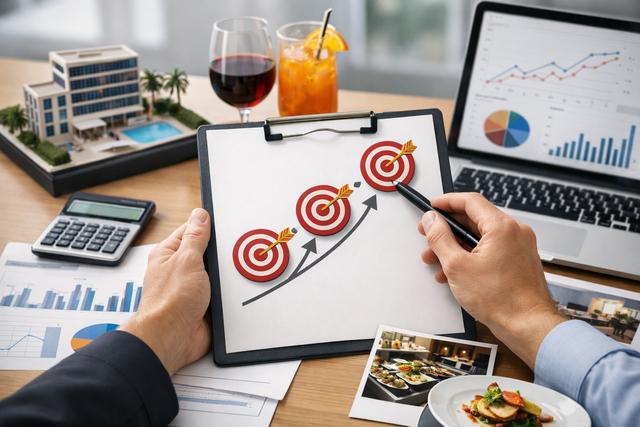
Define what success looks like for your hotel's food and beverage (F&B) operations. Are you aiming for a specific profit margin, or are you focusing on enhancing guest experiences? Setting clear, measurable goals will guide your budgeting process and help you make informed decisions.
For example, if your goal is to achieve a 20% profit margin on F&B sales, you'll need to calculate your projected revenue and expenses accordingly. This focus will help you allocate resources effectively and prioritize spending. You might also consider goals like increasing guest satisfaction scores related to dining experiences by 15% or boosting repeat customer visits by 10%.
Analyze Historical Data
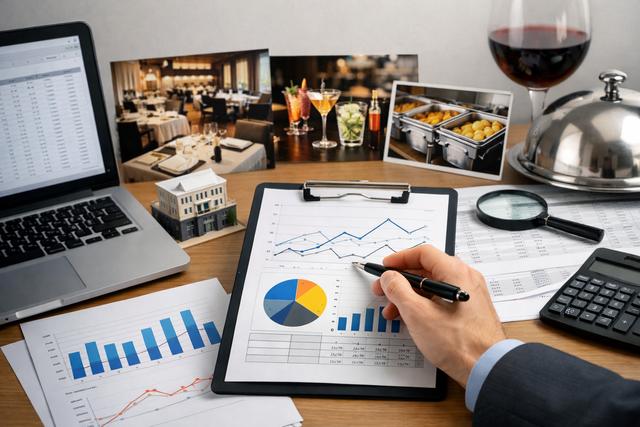
Review past F&B performance to identify trends and areas for improvement. Look at your sales data over the last few years, paying attention to peak seasons, popular menu items, and cost fluctuations. Using historical data allows you to make educated projections for the upcoming year.
Consider using tools like the RevPAR calculator to analyze revenue per available room and understand how F&B contributes to your overall performance. This data will help you forecast future sales and expenses more accurately. For instance, if you notice that sales spike during local events, you can plan special menus or promotions around those dates to maximize revenue.
Estimate Revenue Accurately
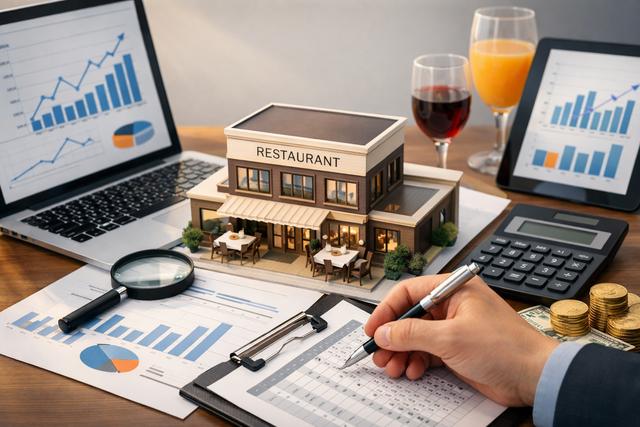
Projecting revenue is crucial for a successful budget. Use historical data and market trends to estimate how much you expect to earn from food and beverage sales. Be realistic—overestimating can lead to budget shortfalls that affect your overall financial health.
For instance, if your hotel has an occupancy rate of 70% during peak season, and you average $50 in F&B sales per guest, your revenue projection for that period would be:
- Number of rooms: 100
- Occupancy rate: 70%
- Average spend per guest: $50
- Projected revenue: 100 rooms x 70% x $50 = $3,500 per day
Consider creating different scenarios (best case, worst case, and most likely case) to prepare for fluctuations in occupancy and guest spending. This way, you can adjust your budget dynamically based on actual performance.
Control Food Costs
Food costs typically account for a significant portion of your F&B budget, often ranging from 28% to 35% of sales. To keep these costs in check, implement inventory management practices and regularly review supplier contracts. Monitor your food cost percentage weekly to catch any discrepancies early.
Consider using a software solution like Hotelumo to streamline your inventory tracking and minimize waste. For example, by utilizing a first-in, first-out (FIFO) method, you can ensure older stock is used before it spoils, reducing unnecessary waste. If you find that certain ingredients are consistently going bad, consider adjusting your menu to feature those items more prominently.
Monitor Labor Costs
Labor costs should ideally be around 20% to 30% of your F&B revenue. Keep track of staffing levels, overtime, and scheduling to ensure efficiency. Overstaffing during slow periods can significantly impact your bottom line. Consider cross-training staff so that they can fill multiple roles, which can help reduce labor costs while maintaining service quality.
Utilize scheduling software to optimize labor allocation based on occupancy forecasts. For example, if you expect a busy weekend, schedule more staff, but scale back during slower weekdays to control costs. You might also consider implementing a tip-sharing program to incentivize staff performance, which can lead to better service and increased guest satisfaction.
Incorporate Seasonal Menus
Seasonal menus can help you reduce food costs while enhancing guest satisfaction. By using local, in-season ingredients, you can lower your expenses and create unique dining experiences that attract guests. Research local farmers and suppliers to establish partnerships that ensure fresh ingredients at lower prices.
For example, if you’re located near a coastal area, featuring fresh seafood in your menu can draw in guests and give you a competitive edge. Regularly updating your menu can also keep your offerings fresh and exciting. You might consider hosting a seasonal launch event to showcase these new dishes, drawing both hotel guests and locals.
Set a Marketing Budget
Allocating funds for marketing your F&B offerings is essential. Aim to spend about 5% of your projected F&B revenue on marketing. This investment can drive traffic to your restaurant and increase overall sales. Consider digital marketing strategies like social media advertising, email campaigns, and partnerships with local influencers to expand your reach.
For instance, hosting a wine tasting event can attract both hotel guests and locals, increasing your F&B revenue. You might also create promotional packages that include dining credits with room bookings, encouraging guests to dine on-site. Track the success of these marketing efforts to refine your strategy over time.
Review and Adjust Regularly
Your budget shouldn’t be static. Regularly review your F&B budget against actual performance and adjust as needed. Monthly reviews can help you identify trends, spot issues early, and make necessary changes. Set aside time each month to analyze your financial statements, focusing on variances between budgeted and actual figures.
For example, if you notice that your food costs are consistently exceeding your budget, investigate the reasons—whether it’s over-ordering or spoilage—and take corrective action. This proactive approach can help you stay on track. Involve your F&B team in these discussions to gain insights from their day-to-day experiences.
Utilize Technology for Efficiency
Investing in hotel management software like Hotelumo can streamline your budgeting process. With features for tracking expenses, forecasting revenue, and managing inventory, you can make data-driven decisions that enhance your F&B operations. Automation can save you hours of manual work and help you focus on strategic initiatives.
By leveraging technology, you can also improve communication between departments, ensuring that your F&B team is aligned with overall hotel goals. This alignment can lead to better guest experiences and increased profitability. Regular training on these tools can ensure your staff is fully equipped to maximize their potential.
Conclusion
Creating a high-performing F&B budget for your hotel requires careful planning, analysis, and ongoing adjustments. By setting clear goals, analyzing data, and utilizing technology, you can enhance your hotel's F&B performance and drive profitability. Remember, a well-managed budget not only improves your bottom line but also elevates the guest experience.
For more resources on hotel management, check out best hotel management software options that can help you streamline operations and improve your bottom line. Stay proactive, and your F&B operations will flourish.