
AI Technology is Transforming Hotel Bookings
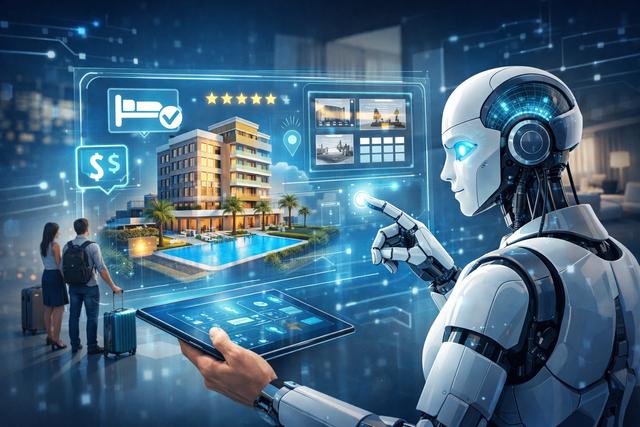
Travelport's launch of TripServices marks a significant shift in how AI can enhance the hotel booking experience. With AI at the forefront, hotels can offer tailored experiences to guests while simplifying operations behind the scenes. This dual benefit can lead to increased guest satisfaction and improved operational efficiency.
By leveraging AI, hotels can analyze vast amounts of data to understand guest preferences, predict booking behaviors, and optimize pricing strategies. For instance, AI can help identify patterns in customer bookings, allowing hotels to adjust their offerings to meet demand effectively. According to a study by McKinsey, AI can boost operational efficiency by up to 20%, which is a significant improvement for any hotel.
Personalized Guest Experiences
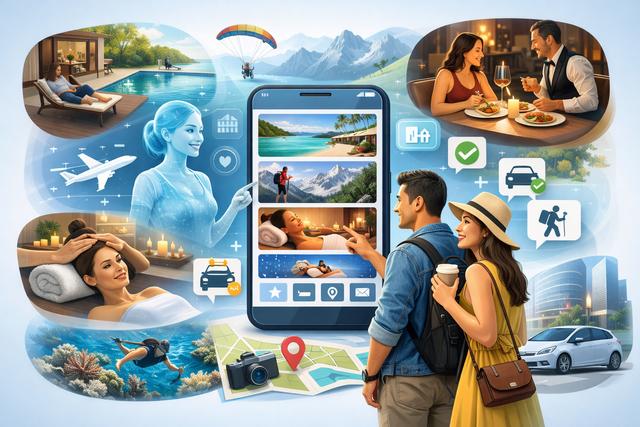
One of the standout features of AI technology is its ability to deliver personalized experiences. With TripServices, hotels can utilize AI to create tailored recommendations based on a guest's previous stays, preferences, and even social media activity. This level of personalization can significantly enhance the guest experience, leading to higher satisfaction rates.
For example, if a guest frequently books spa services during their stays, the hotel can proactively offer spa packages or discounts during their next booking. A survey conducted by Accenture found that 75% of consumers are more likely to buy from a retailer that recognizes them by name and recommends products based on past purchases. This principle applies equally in the hospitality sector.
Moreover, AI can analyze guest feedback to refine these personalized offerings. If guests mention a preference for organic food options, the hotel can adjust its menu accordingly, thereby enhancing their overall experience.
Streamlining Hotel Operations
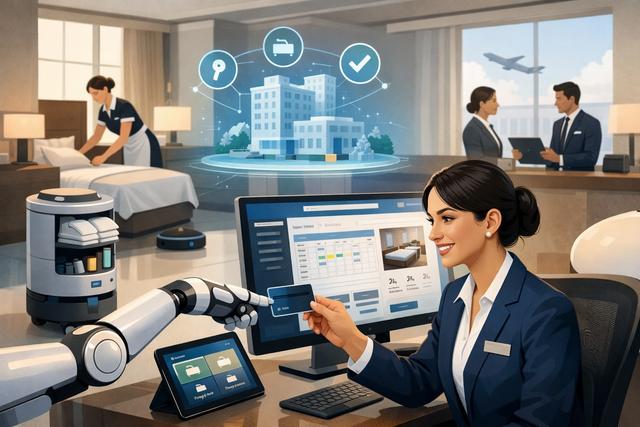
AI doesn’t just benefit guests; it also streamlines hotel operations. With tools like TripServices, hotel staff can automate routine tasks such as inventory management, booking confirmations, and customer inquiries. Automation allows staff to focus on more complex issues, improving overall service quality.
For instance, consider a hotel that uses AI to manage its booking system. By automating the process, the hotel can reduce human error, minimize overbookings, and enhance the accuracy of room availability. This leads to a smoother operation and a better experience for guests. A report by Forrester indicates that businesses that implement automation can see a 30% reduction in operational costs.
Additionally, AI can assist in managing staffing levels based on occupancy predictions. For example, if AI forecasts a higher occupancy rate for a weekend due to an upcoming local event, the hotel can schedule more staff in advance, ensuring optimal service during peak times.
Dynamic Pricing Strategies
AI enables hotels to implement dynamic pricing strategies that adjust rates in real-time based on demand, competition, and other market factors. With TripServices, hotels can analyze data on booking trends and adjust their pricing accordingly to maximize revenue.
For example, during peak seasons or events, hotels can raise prices based on demand forecasts. Conversely, during slower periods, they can lower prices to attract more guests. According to Hotel News Now, hotels that adopt dynamic pricing strategies can increase their revenue per available room (RevPAR) by as much as 15%.
Moreover, AI can monitor competitor rates and suggest optimal pricing adjustments. If a competing hotel lowers its rates, your hotel can automatically adjust its prices to remain competitive without manual intervention, ensuring you don’t lose potential bookings.
Enhanced Marketing Efforts
With AI, hotels can refine their marketing strategies to target the right audience more effectively. TripServices can analyze customer data to identify key demographics and tailor marketing campaigns to those groups. This targeted approach can lead to higher conversion rates.
For instance, if data shows that a significant portion of guests are traveling for business, the hotel can create packages that cater specifically to business travelers, such as offering meeting room rentals or free Wi-Fi. A study by HubSpot found that targeted marketing can lead to a 600% increase in conversion rates.
Additionally, AI can help in A/B testing marketing campaigns. By analyzing which messages resonate with different segments of your audience, you can optimize your marketing strategy for better results.
Improving Customer Support
AI-powered chatbots are becoming increasingly popular in the hospitality industry. These bots can handle a variety of customer inquiries, providing instant responses and freeing up staff for more complex issues. With TripServices, hotels can implement chatbots that assist guests with bookings, answer FAQs, and provide local information.
Imagine a guest needing assistance at 2 AM. An AI chatbot can provide immediate help, ensuring that the guest feels supported even outside of regular hours. This level of service can significantly enhance guest satisfaction. According to Gartner, chatbots can handle up to 80% of routine customer inquiries, allowing human staff to focus on higher-value tasks.
Moreover, AI chatbots can learn from interactions and improve over time, providing increasingly accurate and helpful responses. This continuous improvement can lead to enhanced customer satisfaction and loyalty.
Data-Driven Decision Making
AI tools provide valuable insights that can drive decision-making in hotels. By analyzing data on guest preferences, booking trends, and operational efficiency, hotel managers can make informed decisions that enhance both guest experiences and operational effectiveness.
For example, if data shows that guests prefer certain amenities, hotels can invest in those areas to improve satisfaction. Additionally, understanding peak booking times can help hotels staff appropriately and manage resources effectively. A report from PwC indicates that data-driven decision-making can lead to a 5-6% increase in productivity.
Hotels can also use AI to identify potential issues before they escalate. For instance, if a significant number of guests are leaving negative reviews about a specific aspect of the hotel, management can address the issue proactively, thereby improving overall guest satisfaction.
Future of AI in Hospitality
The future of AI in the hospitality industry looks promising. With continuous advancements in technology, tools like TripServices will likely become more sophisticated, offering even greater capabilities for hotels. As AI evolves, it will play a crucial role in shaping the guest experience and operational strategies.
To stay ahead, hotels should consider integrating AI solutions into their operations. This proactive approach can lead to a competitive edge in a rapidly changing market. A recent survey by Deloitte found that 58% of hospitality executives believe that AI will be a key driver of growth in the next five years.
As AI technology continues to develop, hotels that embrace these changes will be better positioned to meet guest expectations and adapt to market demands. For more insights on how to leverage technology in hospitality, check out our article on adapting to travel trends.
Conclusion
Travelport's TripServices showcases the potential of AI technology in transforming hotel booking experiences. By embracing these advancements, you can enhance guest satisfaction, streamline operations, and drive revenue growth. As the hospitality industry continues to evolve, staying informed and adaptable will be key to your success.
For more information on the best hotel management software, visit our page on best hotel management software. Investing in the right tools will prepare your hotel for the future of hospitality.