
Storytelling: The Key to Hotel Marketing Success

If you want to stand out in India’s competitive hotel market, storytelling is your secret weapon. It’s not just about selling a room; it’s about creating an emotional connection with your guests. When Marriott announced its expansion into 100 cities in India, it highlighted the need for local narratives that resonate with potential customers. By weaving compelling stories into your marketing strategies, you can capture attention and build loyalty.
Consider this: 79% of consumers prefer to buy from brands that share their values. If you can tell your hotel’s story effectively, you’ll attract guests who align with your mission. This is crucial in a diverse market like India, where cultural nuances play a significant role in consumer behavior. Think about how you can personalize your story to reflect the unique aspects of your hotel and its surroundings.
Understanding Your Audience
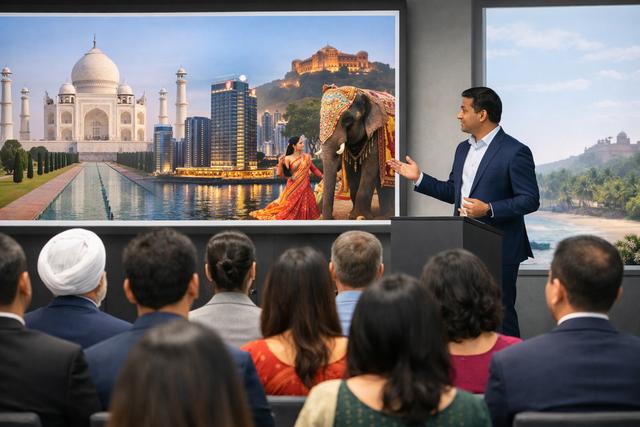
To craft compelling stories, you first need to understand who your audience is. Segment your target market based on demographics, preferences, and travel behaviors. For example, millennials may be drawn to unique experiences and local culture, while business travelers might prioritize convenience and amenities.
Use tools like ADR calculators to analyze pricing strategies that appeal to different segments. When you know your audience, you can tailor your storytelling to address their specific interests and needs. For instance, if your primary audience is families, focus on stories that highlight family-friendly amenities and activities available at your hotel.
Conduct surveys or interviews to gather insights directly from your guests. Ask them what drew them to your hotel and what experiences they value the most. This feedback can guide your storytelling efforts and help you create narratives that resonate.
Showcase Local Culture
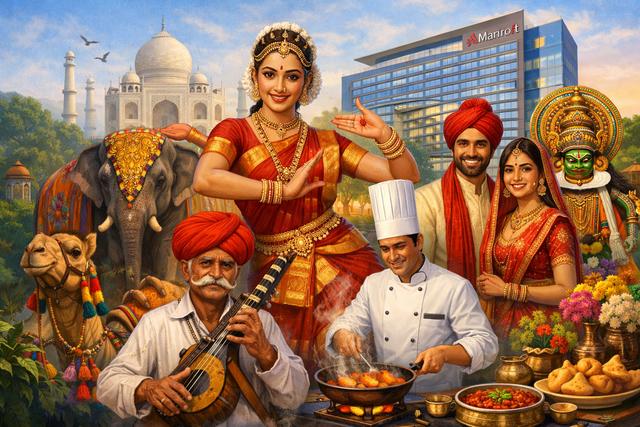
India is rich in culture, and your hotel can be a gateway to that experience. Highlight local traditions, cuisine, and attractions in your marketing materials. For example, if your hotel is located in Rajasthan, you might feature stories about local festivals or traditional crafts. This not only enriches your guests' experience but also positions your hotel as a local expert.
Consider creating partnerships with local artisans or chefs and sharing their stories through your blog or social media. For instance, if you collaborate with a local chef to create a signature dish, document the process and share it with your audience. This not only showcases your commitment to local culture but also creates a unique selling proposition for your hotel.
Incorporate visuals and testimonials from guests who have enjoyed these experiences. According to a study, 86% of consumers say authenticity is important when deciding what brands they like and support. By showcasing local culture, you can create a narrative that feels genuine and inviting, encouraging potential guests to choose your hotel over others.
Utilize Digital Platforms
Digital platforms are your best friends when it comes to storytelling. Use social media, blogs, and email newsletters to share your hotel’s narrative. Create engaging content that tells the story of your hotel’s history, its connection to the community, and the experiences guests can expect.
For instance, start a blog series featuring local artisans or chefs who contribute to your hotel’s offerings. Use platforms like Instagram to share stunning visuals that capture the essence of your location. The more engaging your content, the more likely it is to be shared, expanding your reach. In fact, posts with images get 94% more views than those without.
Consider using video storytelling as well. Create short videos that highlight guest experiences, local attractions, or behind-the-scenes looks at your hotel. Videos are shared 1,200% more times than text and images combined, making them an effective tool for storytelling.
Leverage User-Generated Content
User-generated content (UGC) is a powerful storytelling tool. Encourage your guests to share their experiences through photos and reviews. This not only provides social proof but also enriches your hotel’s narrative. UGC can be a game changer; according to a report, 79% of people say user-generated content highly impacts their purchasing decisions.
Run contests or campaigns that invite guests to share their stories, offering incentives like discounts or free stays. For example, you might create a hashtag for guests to use when posting about their stay. Feature the best posts on your website or social media channels, creating a sense of community and belonging among your guests.
Additionally, consider creating a dedicated section on your website for guest stories and testimonials. This not only builds credibility but also encourages future guests to envision their own experiences at your hotel.
Measure Your Storytelling Impact
To ensure your storytelling efforts are effective, you need to measure their impact. Use analytics tools to track engagement metrics across your digital platforms. Look at factors like website traffic, social media shares, and conversion rates to gauge how well your stories resonate with your audience.
For example, if you notice a spike in bookings after sharing a story about a local event, you can infer that storytelling is influencing your guests’ decisions. Regularly reviewing these metrics will help you refine your strategies and ensure your stories align with your business goals. You can use tools like Google Analytics to monitor website traffic and social media analytics to assess engagement.
Consider setting specific KPIs for your storytelling campaigns. This could include metrics like increased social media followers, higher engagement rates, or a specific percentage increase in bookings. By establishing clear goals, you can better evaluate the success of your storytelling initiatives.
Integrate Storytelling in Your Branding
Your hotel’s brand identity should reflect the stories you tell. From your logo to your website design, every element should resonate with the narrative you want to convey. This consistency reinforces your brand image and makes it easier for guests to connect with you.
For instance, if your hotel focuses on sustainability, make sure that your marketing materials reflect this commitment. Share stories about eco-friendly practices and community initiatives. This alignment between storytelling and branding can enhance guest loyalty and attract like-minded travelers.
Ensure that your staff is also trained in your storytelling approach. They should be able to communicate your hotel’s story effectively to guests, whether during check-in or through interactions at the restaurant. This creates a cohesive experience that reinforces your brand narrative.
Conclusion: The Future of Hotel Marketing in India
As Marriott and other hotel chains expand into India, the importance of storytelling in marketing will only grow. By focusing on local narratives, understanding your audience, and leveraging digital platforms, you can enhance your hotel’s appeal in this emerging market.
Don’t forget to utilize tools like the RevPAR calculator and the hotel occupancy rate calculator to optimize your pricing strategies as you implement these storytelling techniques. Start crafting your hotel’s story today and watch your marketing efforts flourish. Remember, the right story can turn a fleeting visit into a lasting relationship.