
Identify the Revenue Gap in Multi-Property F&B
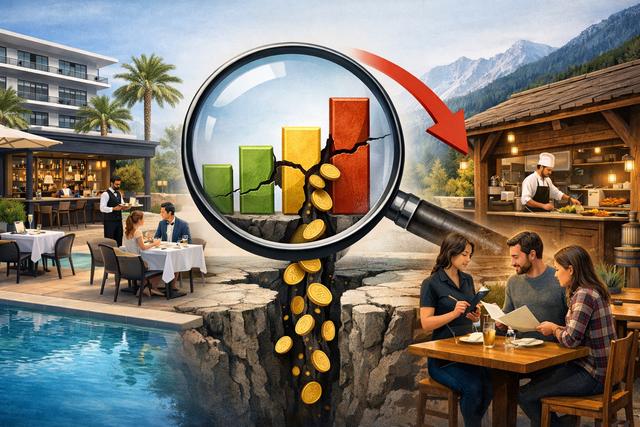
Many hotel owners overlook a significant revenue gap in their food and beverage (F&B) operations, especially when managing multiple properties. This gap often arises from inefficiencies in order processing, inconsistent service quality, and lack of streamlined communication between properties. In fact, studies show that hotels can lose up to 20% of potential revenue due to these operational inefficiencies. If you’re managing multiple locations, those losses can add up quickly, impacting your bottom line.
When you have multiple properties, each with its own F&B operations, inconsistencies can lead to customer dissatisfaction. If guests at one hotel experience slow service or limited menu options, they’re less likely to return or recommend your brand. For instance, if a guest at Property A has to wait 30 minutes for their meal while guests at Property B receive theirs in 10 minutes, that inconsistency can tarnish your brand’s reputation. Addressing this gap is crucial for maximizing revenue across your portfolio.
Understand How Unified Mobile Ordering Works
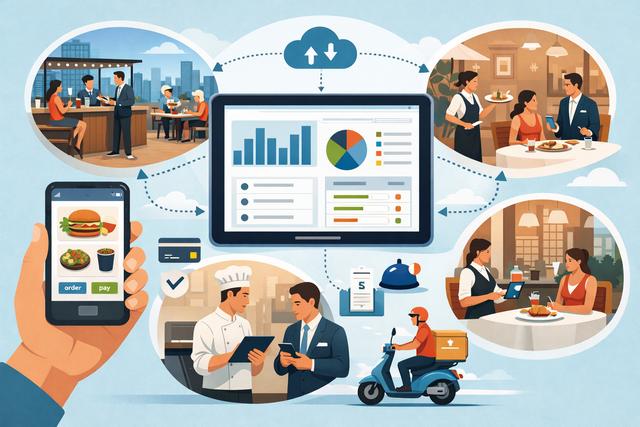
Unified mobile ordering systems allow guests to place food and beverage orders directly from their smartphones. This technology integrates seamlessly with your hotel management software, streamlining the entire ordering process. With a unified system, you can manage orders from all properties in one place, reducing errors and improving service speed.
For example, if a guest is staying at Property A but wants to order from the restaurant at Property B, a unified mobile ordering system makes this seamless. Guests can browse menus, customize orders, and pay—all from their mobile devices. This not only enhances the guest experience but also encourages higher spending. In fact, a study by QSR Magazine found that mobile orders average 20% higher than traditional orders, which can significantly boost your revenue.
Boost Revenue with Enhanced Guest Experience

Unified mobile ordering significantly enhances the guest experience, which directly correlates with increased revenue. When guests can easily place orders, they’re more likely to indulge in higher-priced items. Research indicates that mobile ordering can increase average order values by up to 30%. Imagine if your average order value is $50; with mobile ordering, that could rise to $65.
Additionally, offering personalized recommendations based on previous orders can further drive sales. For instance, if a guest frequently orders cocktails, your system can suggest new cocktail specials or pairings with their meal. This personalization fosters loyalty and encourages repeat visits. A study from McKinsey shows that personalization can increase customer engagement by 20%, which translates into higher sales.
Streamline Operations Across Multiple Properties
One of the primary benefits of unified mobile ordering is the ability to streamline operations across multiple properties. By consolidating F&B management, you can ensure consistency in service quality and menu offerings. This standardization can lead to a more efficient use of resources and higher profitability.
For example, if you notice that certain menu items are popular across properties, you can adjust inventory and staffing accordingly. This data-driven approach allows you to optimize your operations and reduce waste, ultimately increasing your bottom line. If a particular dish sells out frequently at one property, consider increasing its stock across all locations to meet demand.
Moreover, by utilizing a unified system, you can implement consistent training programs for staff across all properties. This ensures that every employee is equipped with the same knowledge and skills, leading to a uniform guest experience. Consistency is key; a study by Deloitte found that 80% of consumers prefer brands that provide consistent experiences across all channels.
Integrate with Existing Hotel Management Software
To maximize the benefits of unified mobile ordering, it’s essential to integrate it with your existing hotel management software. This integration allows for real-time updates on inventory, pricing, and menu changes across all properties. With accurate data, you can make informed decisions that enhance both guest satisfaction and profitability.
Consider using a platform like Hotelumo that offers seamless integration with mobile ordering systems. This ensures that your F&B operations are not only efficient but also aligned with your overall hotel management strategy. For instance, if you change a menu item or its price, that change should reflect across all properties in real-time, preventing confusion and enhancing guest trust.
Leverage Data Analytics for Strategic Decisions
Data analytics play a crucial role in closing the revenue gap in multi-property F&B. By analyzing order patterns, guest preferences, and peak ordering times, you can make strategic decisions that drive revenue. For instance, if data shows that guests typically order room service late at night, you might consider extending your menu hours or offering late-night specials.
Moreover, tracking performance metrics across properties enables you to identify which locations are underperforming and why. This insight allows you to implement targeted strategies to boost revenue in those areas. For example, if one property has a lower average order value, you might investigate menu offerings or staff training to identify the root cause.
Using a centralized dashboard, you can visualize data trends and make proactive adjustments. For instance, if you notice that certain dishes are consistently popular, you can promote those items more heavily or create special events around them, like themed nights or chef specials. This kind of targeted marketing can lead to a 15-25% increase in sales for those items.
Encourage Upselling and Cross-Selling
Unified mobile ordering systems can facilitate upselling and cross-selling opportunities. When guests place an order, the system can prompt them with suggestions for add-ons or complementary items. For example, if a guest orders a burger, the system might suggest fries or a drink at a discounted rate.
Statistics show that effective upselling can increase revenue by 10-20%. By training your staff to use the mobile ordering system effectively, you can ensure that they’re taking advantage of these opportunities to boost sales. Consider implementing a training program focused on upselling techniques, where staff can practice and learn the best ways to present options to guests.
Moreover, you can set up your mobile ordering system to automatically suggest add-ons based on popular combinations. If guests frequently order a specific dessert with a meal, feature that dessert as a suggested item in the ordering process. This simple tactic can significantly increase your average order value.
Implement Effective Marketing Strategies
To fully capitalize on your unified mobile ordering system, implement targeted marketing strategies. Use email campaigns to promote new menu items or special offers available through the mobile app. Consider loyalty programs that reward guests for using mobile ordering, encouraging repeat business.
For example, you might offer a discount or a free item after a certain number of orders through the app. This not only incentivizes usage but also fosters brand loyalty. According to research by Bond, 79% of consumers are more likely to continue doing business with brands that offer a loyalty program.
Additionally, consider using social media to promote your mobile ordering capabilities. Share customer testimonials or user-generated content featuring guests enjoying their meals. This not only builds excitement around your offerings but also encourages others to try the service.
Conclusion: Close the Revenue Gap Today
Closing the hidden revenue gap in multi-property F&B operations is essential for maximizing profitability in the hospitality industry. By implementing a unified mobile ordering system, you can enhance guest experiences, streamline operations, and leverage data analytics for strategic decision-making.
Don’t let inefficiencies hold your properties back. Start exploring solutions like Hotelumo to optimize your F&B operations and drive revenue growth across all your properties. With the right tools and strategies in place, you can transform your F&B operations and unlock hidden revenue potential.