
Capitalize on Immediate Demand
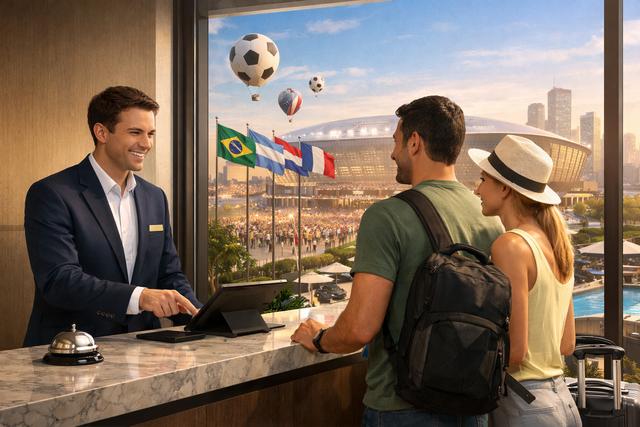
Last-minute bookings can account for up to 30% of total reservations during major events like the World Cup. To tap into this potential, you need to optimize your pricing strategy effectively. Consider offering discounts specifically tailored for last-minute bookings, which can entice travelers who are looking for deals. A study showed that hotels implementing flexible pricing strategies saw a 15% increase in last-minute reservations compared to those that maintained static rates.
Use dynamic pricing tools to adjust your rates based on real-time demand. This approach not only helps you remain competitive but also maximizes your revenue. For example, if nearby hotels are fully booked, you can increase your rates to reflect the higher demand. Make sure to communicate these offers clearly on your website and booking platforms. Additionally, consider using promotional codes that guests can apply for last-minute deals, which can create a sense of urgency.
To further enhance your strategy, analyze booking patterns from previous events. For instance, if data shows that bookings tend to surge two days before the event, you can prepare targeted marketing campaigns to capitalize on that window. By understanding your audience's behavior, you can tailor your offers more effectively.
Enhance Your Online Presence
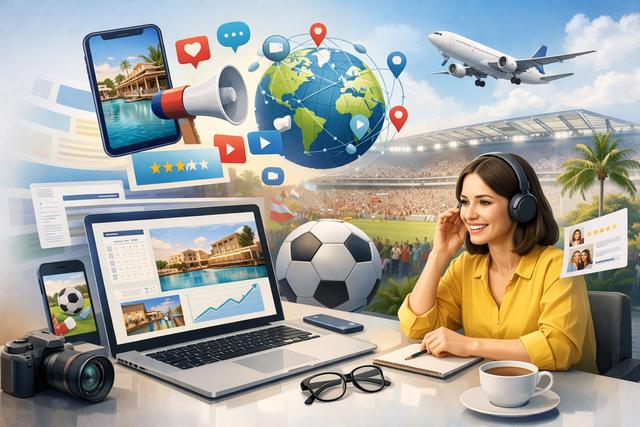
Your online visibility is crucial during high-demand periods. Make sure your hotel is listed on popular travel sites and platforms like Booking.com and Airbnb. According to research, hotels that are visible on multiple platforms see a 22% increase in bookings. Ensure that your listings are up-to-date with appealing images, accurate descriptions, and competitive pricing.
Invest in Search Engine Optimization (SEO) to improve your website's ranking. Focus on keywords related to the World Cup and your location. For instance, phrases like 'last-minute hotel deals for World Cup' can attract more visitors. Regularly update your blog with relevant content to keep your site fresh and engaging. Consider writing articles that highlight local attractions related to the World Cup, as this can improve your SEO and draw in more potential guests.
Utilize Google My Business to enhance your local SEO. Make sure your hotel’s profile is complete, including hours, location, and services offered. Positive reviews can significantly impact your search ranking and influence potential guests. Encourage satisfied customers to leave reviews, as a 5-star rating can boost your visibility in search results by up to 30%.
Leverage Social Media Marketing

Social media is a powerful tool for last-minute bookings. Create engaging posts that highlight your hotel’s amenities and special offers during the World Cup. Use platforms like Instagram and Facebook to showcase your hotel, and consider running targeted ads to reach potential guests. A well-targeted ad can yield a return on investment (ROI) of up to 400% if executed properly.
Engage with your audience by sharing user-generated content. Encourage guests to post their experiences and tag your hotel. This not only builds community but also acts as free advertising. A survey found that 79% of consumers say user-generated content highly impacts their purchasing decisions. To incentivize sharing, consider running a social media contest where guests can win a free night's stay by posting about their experience.
Additionally, consider creating short video content that showcases your hotel and its proximity to World Cup events. Video content is known to generate 1,200% more shares than text and images combined, making it a valuable asset in your marketing strategy.
Utilize Last-Minute Booking Apps
Partner with last-minute booking apps like HotelTonight or Last Minute Travel. These platforms cater specifically to travelers looking for immediate accommodation, making them an ideal channel for your hotel during the World Cup. Hotels listed on these apps can see a significant uptick in bookings, often exceeding 20% during peak event times.
Ensure your hotel profile is complete and attractive. Highlight your unique features and any special offers you have. Additionally, maintain competitive pricing to stand out among other listings. You might also consider offering exclusive deals through these apps that aren’t available on your website or other platforms to encourage bookings.
Monitor the performance of your listings on these apps. Track metrics such as views, clicks, and bookings to understand what works and what doesn’t. Adjust your offerings based on this data to continually improve your visibility and attractiveness on these platforms.
Offer Unique Experiences
To stand out, offer unique packages that enhance the guest experience. Consider creating World Cup-themed packages that include game-day amenities, such as shuttle services to stadiums, themed meals, or viewing parties. This not only attracts guests but also increases the perceived value of staying at your hotel.
For example, a hotel could offer a package that includes a two-night stay, breakfast, and a ticket to a local viewing party. This approach can increase your average daily rate (ADR) and encourage guests to book last-minute. According to industry reports, hotels that bundle experiences with accommodations can see a revenue increase of up to 30%.
Additionally, consider collaborating with local businesses to provide exclusive deals for your guests. For instance, partner with a local brewery to offer discounted drinks or a nearby restaurant for special meal deals. This not only enhances the guest experience but also helps promote local businesses.
Streamline Your Booking Process
A complicated booking process can deter potential guests. Simplify your online reservation system to make it as user-friendly as possible. Ensure your website is mobile-optimized, as many travelers book through their smartphones. A seamless booking experience can increase conversion rates by up to 30%.
Consider integrating a direct booking engine that allows guests to make reservations easily. This not only enhances user experience but also helps you retain more revenue by avoiding commission fees from third-party sites. You can check out this article for insights on optimizing your booking engine.
Additionally, implement a live chat feature on your website to assist potential guests in real-time. Studies show that businesses using live chat can increase conversion rates by 20%. This can be particularly effective during high-demand periods when guests may have immediate questions or concerns.
Monitor Competitors
Keeping an eye on your competitors can provide valuable insights into pricing and promotional strategies. Use tools like STR or Smith Travel Research to analyze your competition’s performance during the World Cup. Understanding their pricing and occupancy rates can help you adjust your strategy accordingly.
For instance, if you find that competitor hotels are fully booked at a certain rate, you might consider raising your own rates or offering additional incentives to attract guests. This proactive approach can help you stay competitive in a crowded market. Additionally, consider subscribing to competitor newsletters to stay informed about their promotions and offerings.
Engage in mystery shopping by booking a stay at a competitor’s hotel. This can provide firsthand insights into their service quality and guest experience, allowing you to identify areas where you can improve.
Prepare for Post-Event Bookings
Don’t just focus on the immediate surge; prepare for post-event bookings as well. Many travelers extend their stays to explore the area after the World Cup. Promote local attractions and experiences that guests can enjoy after the games. This can include tours, cultural experiences, and local dining options.
Consider offering discounts for extended stays or packages that include local tours. This strategy can help you maintain occupancy rates even after the event has ended. A well-planned marketing campaign can increase your post-event bookings by as much as 25%. You can leverage email marketing to reach out to guests who booked during the event, encouraging them to extend their stay.
Additionally, create content around local attractions that may interest guests after the World Cup. Blog posts, social media content, and email newsletters can all highlight what makes your area unique and worth exploring.
Conclusion
By implementing these strategies, you can capitalize on last-minute bookings during the World Cup and similar events. From optimizing your pricing to enhancing your online presence, each tactic plays a crucial role in attracting guests. Remember, every little effort counts, and with the right approach, you can turn a last-minute surge into a successful booking season. For more insights on maximizing your hotel’s potential, check out this guide on capitalizing on tourism growth during sporting events.