
Technology's Role in Hotel Management
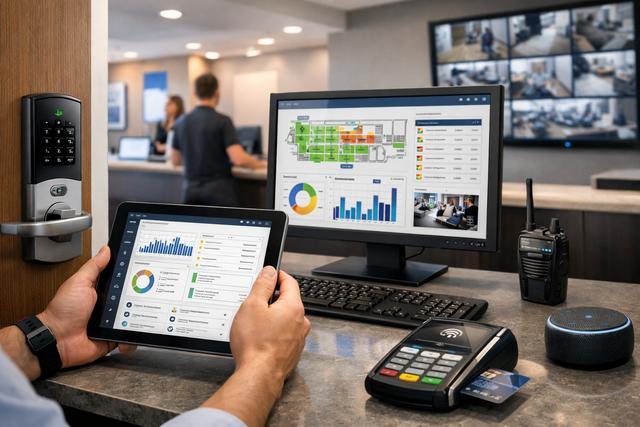
Technology is revolutionizing hotel management, and Motel 6's Prism annual report highlights just how significant this shift is. With advanced software solutions, hotels can streamline operations, enhance guest experiences, and ultimately boost profitability. For instance, using a property management system (PMS) can reduce administrative tasks by up to 30%, freeing up staff to focus on guest services.
As a hotel owner or manager, adopting the right technology can lead to a competitive edge. Prism's report emphasizes the importance of integrating systems that manage reservations, billing, and customer relationship management (CRM) in one place, which can increase efficiency and reduce errors. You should consider investing in a comprehensive PMS that allows for real-time updates on room availability and pricing, which can significantly improve your booking process.
Additionally, consider training your staff on the latest technologies. A well-trained team can leverage these tools effectively, leading to better service delivery. Regular workshops or online training sessions can ensure your staff stays updated with the latest software features and best practices.
Understanding Motel 6's Success

Motel 6 has effectively leveraged technology to enhance its operations and guest experiences. The Prism report reveals that the chain’s revenue per available room (RevPAR) increased by 12% last year, largely due to its investment in technology. This increase can be attributed to better inventory management and dynamic pricing strategies that adjust rates based on demand.
For example, by using data analytics, Motel 6 can predict peak booking times and adjust pricing accordingly, maximizing revenue. You can implement similar strategies by utilizing tools like the RevPAR calculator to analyze your hotel's performance. By understanding your occupancy rates and average daily rates (ADR), you can make informed pricing decisions that optimize revenue.
Moreover, consider conducting regular market analyses to identify trends in your area. This can help you adjust your marketing strategies and promotional offers to align with guest expectations and seasonal demands. For instance, if you notice a spike in local events, you can create tailored packages that attract event attendees.
Impact of Automation on Efficiency
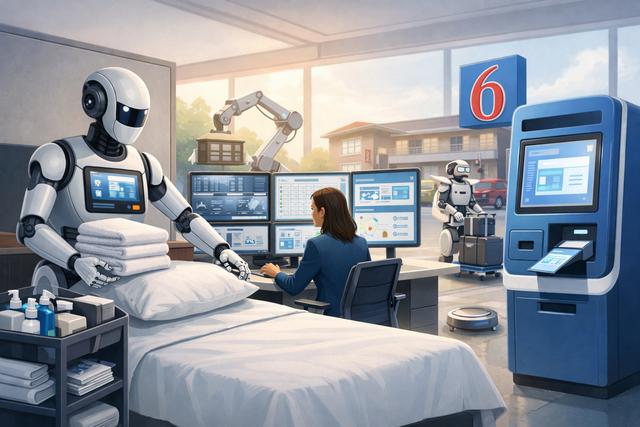
Automation is another critical factor in the hospitality industry's transformation. According to the Prism report, hotels that implemented automated check-in and check-out processes saw a 20% reduction in front desk wait times. This not only improves guest satisfaction but also allows staff to handle more guests efficiently.
By automating routine tasks such as booking confirmations and feedback requests, you can enhance your operational efficiency. Consider using a hotel management software like Hotelumo, which offers automation features to streamline these processes. Automating guest communications can lead to faster responses and improved guest satisfaction.
Additionally, implementing self-service kiosks for check-in can further reduce wait times and free up staff for more personalized guest interactions. According to industry studies, hotels that have adopted self-service options report a 25% increase in guest satisfaction scores.
Data-Driven Decision Making
The Prism report underscores the need for data-driven decision-making in the hospitality sector. Hotels that analyze customer data can tailor their services to meet guest preferences, leading to increased loyalty and repeat bookings. For instance, 70% of guests are more likely to return to a hotel that offers personalized experiences.
Utilizing data analytics tools can help you identify trends in guest behavior, allowing you to customize marketing and service offerings. You might want to explore the occupancy rate calculator to gain insights into your hotel's performance and optimize your strategy accordingly.
Consider implementing a customer feedback system that regularly collects guest opinions. This real-time feedback can help you identify areas for improvement and adapt your services to meet guest needs better. For example, if multiple guests mention that the Wi-Fi is slow, that’s a clear signal to invest in upgrading your internet service.
Enhancing Guest Communication
Effective communication is vital in hospitality, and technology plays a significant role in facilitating this. The Prism report indicates that hotels utilizing messaging platforms for guest communication experienced a 15% increase in positive reviews. Quick responses to inquiries and issues can significantly enhance the guest experience.
Consider implementing a guest communication tool that allows for instant messaging. This can improve your response times and lead to happier guests. Plus, happy guests are more likely to leave positive reviews, which can boost your hotel's online reputation. You can also utilize automated messaging systems to send pre-arrival information, welcome messages, and check-out reminders.
In addition, use social media platforms to engage with guests before, during, and after their stay. Regularly posting updates, responding to comments, and sharing user-generated content can enhance your hotel's visibility and strengthen relationships with guests.
Utilizing Cloud Solutions
Cloud technology is becoming increasingly popular in hotel management, as highlighted in the Prism report. Hotels that adopt cloud-based solutions benefit from increased flexibility and scalability. This is particularly important for properties that need to adjust their operations based on seasonal demand.
For example, cloud-based PMS allows you to access your hotel management system from anywhere, making it easier to manage operations remotely. If you're looking for a reliable cloud solution, check out Hotelumo's offerings for comprehensive management tools. Cloud solutions also reduce the need for expensive on-site servers and maintenance.
Moreover, cloud technology enables seamless integration with other systems, such as booking engines and payment processors. This integration can streamline operations and enhance the guest experience by providing a more cohesive service.
Financial Insights and Cost Management
The Prism report reveals that hotels focusing on cost management through technology saw a 10% reduction in operational costs. This is achieved by optimizing resource allocation and minimizing waste. By investing in energy-efficient systems and automating resource management, hotels can significantly cut costs.
For instance, implementing smart energy management systems can reduce energy consumption by up to 30%. This not only saves money but also contributes to sustainability efforts, which are increasingly important to guests. You can also explore options for bulk purchasing supplies to reduce costs further.
Additionally, consider regularly reviewing your vendor contracts and service agreements to ensure you’re getting the best rates. This proactive approach can identify potential savings and improve your overall financial health.
Preparing for the Future
As the hospitality industry continues to evolve, staying ahead of technological trends is crucial. The Prism report emphasizes that hotels must be proactive in adopting new technologies to remain competitive. This includes investing in AI-driven tools and advanced analytics to enhance operational efficiency and guest satisfaction.
By keeping an eye on emerging trends and adapting your strategies accordingly, you can ensure your hotel thrives in the ever-changing landscape of hospitality. For more insights on technology in hotel management, visit our blog for the latest updates.
Finally, consider forming partnerships with technology providers to stay informed about new developments. Attending industry conferences and workshops can also provide valuable insights into the latest innovations and best practices in hotel management.