
Recognize the Risks of Third-Party Vendors
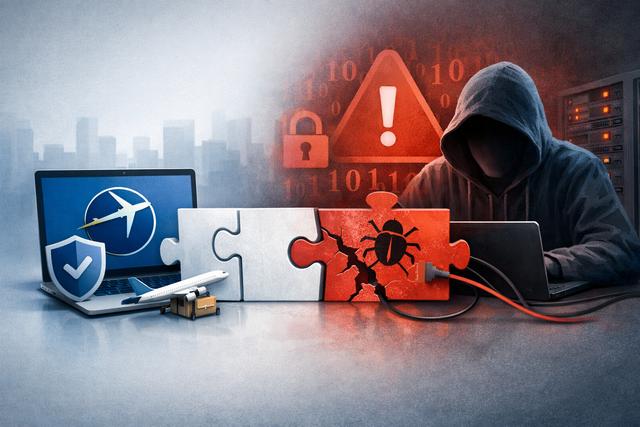
Cyberattacks through third-party vendors are a growing concern in the hospitality industry. A staggering 60% of data breaches occur due to vulnerabilities in third-party services, according to a recent report. For hotel management systems, this means that your guest data, financial information, and operational integrity could be at risk if your vendors aren’t secure.
Understanding these risks is your first line of defense. Start by identifying all third-party services you use, from payment processors to booking engines and even marketing platforms. Each of these can be a potential entry point for cybercriminals. For example, if you use a third-party booking engine that doesn’t comply with PCI standards, it could expose your guests’ credit card information to hackers.
Evaluate Vendor Security Practices
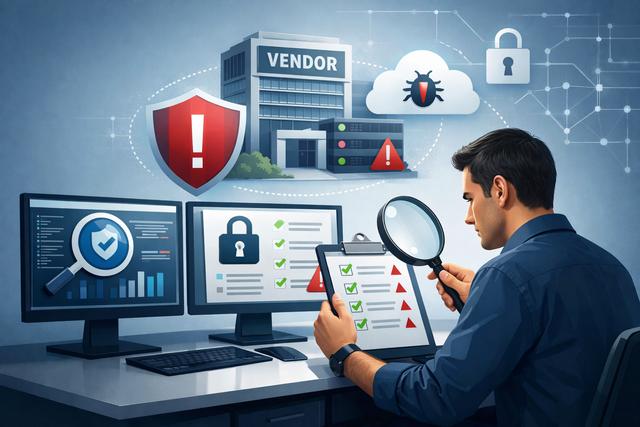
Before partnering with any vendor, it’s crucial to evaluate their security practices thoroughly. Request detailed information about their security certifications, such as ISO 27001 or PCI DSS compliance. These certifications indicate that the vendor adheres to recognized security standards and has undergone rigorous assessments.
For instance, if you’re considering a payment processor, ensure they have robust encryption protocols in place. Look for vendors that offer end-to-end encryption, which scrambles data during transmission, making it nearly impossible for hackers to intercept and read sensitive information.
Additionally, inquire about their incident response plans. A reliable vendor should be able to demonstrate how they handle data breaches, including how quickly they notify affected clients and what steps they take to mitigate risks. For example, a vendor might commit to notifying you within 24 hours of a breach, allowing you to take immediate action to protect your guests.
Implement Strong Data Encryption
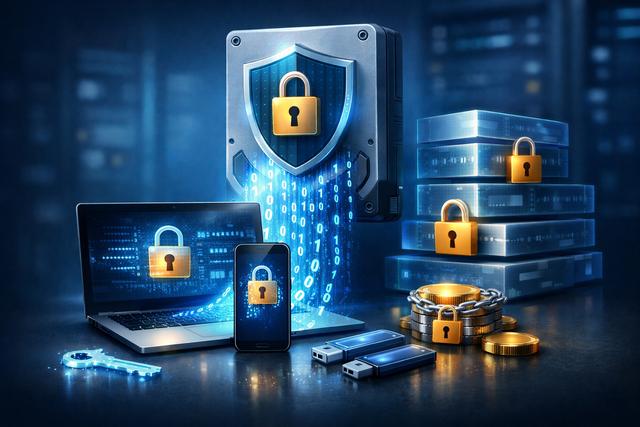
Data encryption is essential in safeguarding sensitive information. Ensure that any data exchanged between your hotel management software and third-party vendors is encrypted. This means that even if data is intercepted, it remains unreadable to unauthorized users.
Utilizing SSL (Secure Socket Layer) certificates is a standard practice to encrypt data transmitted over the internet. A study showed that websites using SSL encryption can increase customer trust and conversion rates by up to 20%. This simple step can significantly enhance your data security and build trust with your guests.
Moreover, consider implementing encryption for data stored on your servers. Encrypting sensitive information, such as guest profiles and payment details, adds another layer of security. If a breach occurs, encrypted data will be much harder for attackers to exploit.
Regularly Monitor Vendor Access
Regularly monitoring and managing the access that third-party vendors have to your systems is crucial. Limit access to only what’s necessary for them to perform their job. This minimizes the risk of unauthorized access to sensitive information.
Conduct periodic audits to review vendor access logs. If you notice any suspicious activity, address it immediately. For example, if a vendor hasn’t accessed your system in months but still has active credentials, it may be time to revoke their access. Implementing a role-based access control system can help ensure that vendors only have access to the data they need.
Additionally, consider using multi-factor authentication (MFA) for vendor logins. MFA adds an extra layer of security by requiring users to provide two or more verification factors to gain access to your systems. This can significantly reduce the risk of unauthorized access.
Train Your Staff on Cybersecurity
Your staff plays a vital role in maintaining cybersecurity. Conduct regular training sessions to educate your team about the risks associated with third-party vendors. This includes recognizing phishing attempts, understanding the importance of strong passwords, and knowing how to report suspicious activities.
Consider implementing a cybersecurity awareness program that includes real-life scenarios and best practices. According to a study, organizations with comprehensive training programs can reduce the risk of a data breach by up to 70%. Make cybersecurity a part of your company culture by incorporating it into onboarding processes and ongoing training.
Utilize Comprehensive Risk Assessment Tools
Investing in risk assessment tools can help analyze the security posture of your third-party vendors. These tools can identify vulnerabilities and provide insights into potential risks associated with each vendor.
For instance, tools like SecurityScorecard or BitSight can give you a score based on the vendor's security practices and historical performance. This data can guide your decisions on whether to continue partnerships or seek alternatives. If a vendor consistently scores low on security assessments, it may be time to reevaluate your relationship with them.
Additionally, consider conducting regular third-party risk assessments. This involves evaluating the security measures of each vendor annually to ensure they meet your standards and compliance requirements.
Have a Contingency Plan Ready
Even with the best precautions, breaches can still happen. Developing a contingency plan that outlines the steps to take in the event of a data breach is essential. This plan should include communication protocols, steps for containment, and recovery strategies.
For example, if a vendor experiences a breach, your plan should detail how to notify affected guests and what steps to take to secure your systems. Having a clear plan can help minimize damage and maintain guest trust. Consider conducting tabletop exercises to practice your response to potential breaches, ensuring that your team is prepared when an incident occurs.
Consider Using Integrated Hotel Management Software
Using an integrated hotel management software like Hotelumo can reduce the reliance on multiple third-party vendors. With everything from booking to payment processing handled within a single platform, you can streamline operations and enhance security.
By consolidating your systems, you minimize potential vulnerabilities while improving efficiency. For example, using Hotelumo means you won’t have to juggle different vendors for various services, reducing the risk of miscommunication and security gaps.
For more information on how Hotelumo can benefit your hotel, visit our website. You can also explore our downloads page for additional resources and tools that can help you enhance your operational security.
Stay Informed About Cybersecurity Trends
Cybersecurity is constantly evolving, and staying informed about the latest trends is crucial. Subscribe to industry newsletters, follow cybersecurity blogs, and join professional associations to keep up with best practices.
Understanding the latest types of attacks, like ransomware or phishing schemes, can help you prepare your defenses. Being proactive rather than reactive is key to safeguarding your hotel’s data. For example, participating in webinars and conferences can provide valuable insights into emerging threats and effective countermeasures.
Conclusion: Protect Your Hotel from Cyber Threats
Understanding the risks posed by third-party vendors is essential for protecting your hotel management software and guest data. By evaluating vendor security practices, implementing strong data encryption, training your staff, and using integrated solutions, you can create a robust cybersecurity strategy.
Explore how Hotelumo can help streamline your operations and enhance your security. Check out our downloads page for more resources and tools. Remember, the more proactive you are about cybersecurity, the more secure your hotel will be.