
1. Personalized Guest Experiences
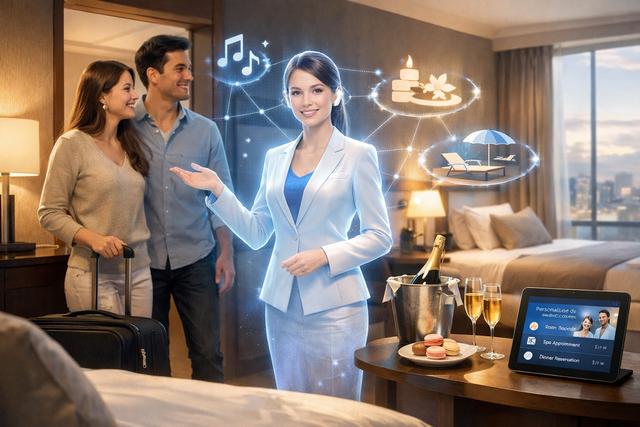
Accor's first major bet on AI is in creating personalized guest experiences. By utilizing AI algorithms, they analyze guest preferences and behaviors to tailor services. For instance, if you frequently order room service, AI can suggest your favorite dishes during your next stay. This level of personalization can significantly boost guest satisfaction.
A study by McKinsey found that personalized experiences can lead to a 10-15% increase in customer satisfaction scores. Imagine the impact of that on your hotel’s repeat bookings. If you typically have a 60% return rate, a 10% increase could lead to an additional 6% of your guests returning, which translates into more bookings and higher revenue.
To implement this, consider integrating AI-driven CRM systems that analyze guest data. These systems can automate recommendations, ensuring you provide a tailored experience every time. For example, if a guest often books spa treatments, your system can automatically offer spa packages during their booking process. You can also use email marketing tools that leverage AI to send personalized offers based on past stays, leading to higher engagement rates.
Furthermore, you should encourage guests to create profiles that include their preferences. This data can feed into your AI systems, enhancing the personalization process. For example, if a guest indicates they prefer a quiet room away from the elevator, your system can prioritize that preference for future bookings, ensuring a better experience.
2. Streamlined Operations Through Automation
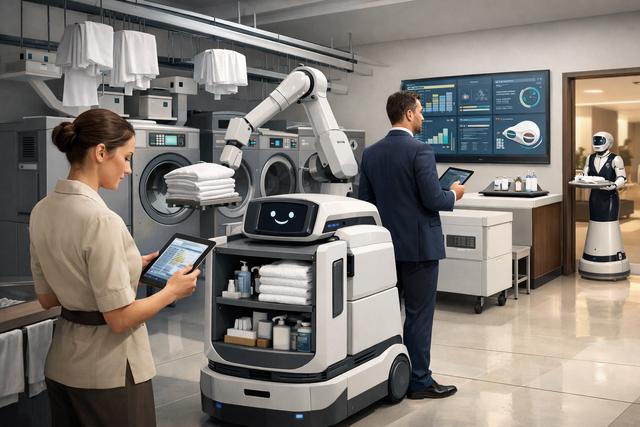
Accor is betting on AI to streamline hotel operations. Automation can reduce the time spent on repetitive tasks, allowing your staff to focus on more critical areas of guest service. For instance, AI chatbots can handle common inquiries, freeing up your front desk team to provide personalized attention. This not only improves guest satisfaction but also boosts employee morale.
According to a report by Deloitte, automation can lead to a 30% reduction in operational costs. Implementing AI solutions like chatbots and automated check-in kiosks can drastically improve efficiency. For example, if your hotel has 100 rooms, automating check-in could save hours of staff time each week, translating into significant labor cost savings. If each staff member earns $15 per hour, and you save 10 hours a week on check-in, that’s $150 saved weekly, or $7,800 annually.
Investing in hotel management software, like Hotelumo, can help you leverage these AI capabilities effectively. This software can integrate various operational aspects, making it easier to manage tasks and enhance the guest experience simultaneously. For example, you can automate housekeeping schedules based on occupancy rates, ensuring rooms are cleaned efficiently without overstaffing.
Consider also implementing AI-driven inventory management systems. These systems can predict when supplies will run low based on usage patterns, allowing you to reorder in advance and avoid stockouts. This proactive approach can save you both time and money, ensuring you’re always prepared for your guests’ needs.
3. Enhanced Revenue Management

Accor is also focusing on AI for enhanced revenue management. By analyzing data trends, AI can help predict demand and optimize pricing strategies. This means you can adjust your rates dynamically based on real-time market conditions, ensuring you never miss out on potential revenue. For example, if a local event is driving demand, your AI system can automatically raise rates to maximize revenue.
For example, a hotel that uses AI-driven revenue management tools can see an increase of 5-10% in RevPAR (Revenue per Available Room). If your hotel typically earns $100 RevPAR, this could mean an additional $5 to $10 per room per night. Over the course of a year, with 100 rooms and an average occupancy rate of 70%, this can translate into an additional $127,750 in revenue annually.
Consider exploring AI tools that provide insights into competitor pricing and market demand. By leveraging this data, you can make informed decisions about your pricing strategies, maximizing your hotel's profitability. Tools like dynamic pricing software can analyze competitors’ rates and adjust your prices accordingly to stay competitive.
Additionally, implementing a revenue management system that integrates with your property management system can provide real-time insights into your hotel’s performance. This allows you to make quick decisions based on up-to-date information, ensuring you capitalize on every opportunity.
4. Predictive Maintenance for Operational Efficiency
Accor's final bet on AI involves predictive maintenance. By utilizing AI to monitor equipment and systems, hotels can predict when maintenance is needed, preventing costly breakdowns and improving operational efficiency. This proactive approach can save you time and money, reducing the likelihood of unexpected repairs.
A study by IBM indicates that predictive maintenance can reduce maintenance costs by 25-30%. For instance, if your hotel spends $10,000 annually on maintenance, adopting predictive maintenance could save you $2,500 to $3,000 each year. This can also extend the lifespan of your equipment, resulting in further savings.
Implementing IoT sensors in your hotel’s infrastructure can facilitate predictive maintenance. These sensors can monitor HVAC systems, plumbing, and electrical systems, providing real-time data that helps you address issues before they escalate. For example, if a sensor detects an anomaly in your HVAC system, your maintenance team can be alerted to investigate before it leads to a complete system failure.
Additionally, consider training your staff to utilize these technologies effectively. Providing them with the necessary skills to interpret data from these systems will ensure that you maximize the benefits of predictive maintenance. This not only improves operational efficiency but also enhances the overall guest experience by ensuring that all facilities are functioning optimally.
Conclusion: Embrace AI for Future Success
Accor's investments in AI highlight its potential to revolutionize the hospitality industry. By focusing on personalized guest experiences, streamlined operations, enhanced revenue management, and predictive maintenance, you can position your hotel for success in a competitive market.
To stay ahead, consider adopting AI-driven solutions like Hotelumo that can enhance your operations and guest experiences. As the hospitality landscape evolves, embracing these technologies will not only improve your bottom line but also ensure you’re meeting the ever-changing expectations of your guests.
For more insights on leveraging technology in hospitality, check out our blog on AI in hotel press releases and platform upgrades for hotel management. Stay informed and ready to adapt to the future of hospitality.