
Automating Guest Feedback: A Game Changer

Automating guest feedback is no longer a luxury; it’s a necessity. The integration of GuestRevu with Access Collins is a prime example of how technology can streamline feedback processes. By automating feedback collection, you can save time, reduce manual errors, and focus on what truly matters—enhancing your guests' experience.
According to recent studies, 77% of consumers are likely to share their experiences if they are asked. This means that by automating your feedback processes, you can significantly increase the volume of feedback you receive, leading to actionable insights that can improve your service. For instance, if you currently collect feedback from 20% of your guests, automation could potentially raise that number to 50% or more, giving you a clearer picture of your strengths and weaknesses.
Why Feedback Matters
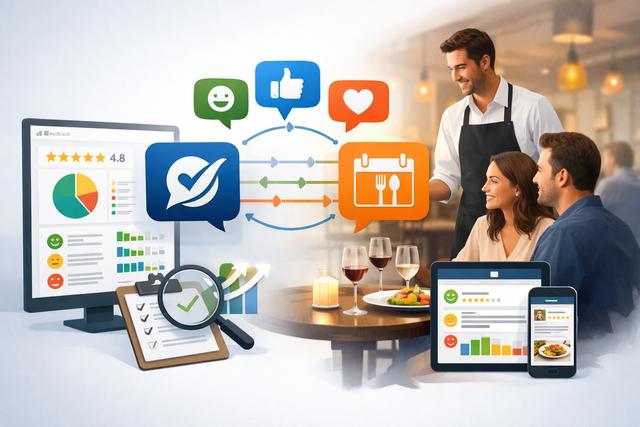
Feedback is crucial for any restaurant. It not only helps you understand your guests' needs but also allows you to make data-driven decisions. With automated feedback systems, you can gather insights on menu items, service quality, and overall guest satisfaction.
For example, if you notice that a particular dish consistently receives low ratings, you can investigate and make necessary adjustments. This proactive approach can lead to improved customer satisfaction and, ultimately, higher sales. A restaurant that acted on feedback and revamped a poorly rated dish saw a 15% increase in overall sales within two months of the change.
Moreover, guest feedback can also highlight areas of excellence. If guests frequently praise a specific server or dish, you can leverage that information in your marketing efforts or reward your staff, fostering a positive work environment.
How Automation Enhances Efficiency
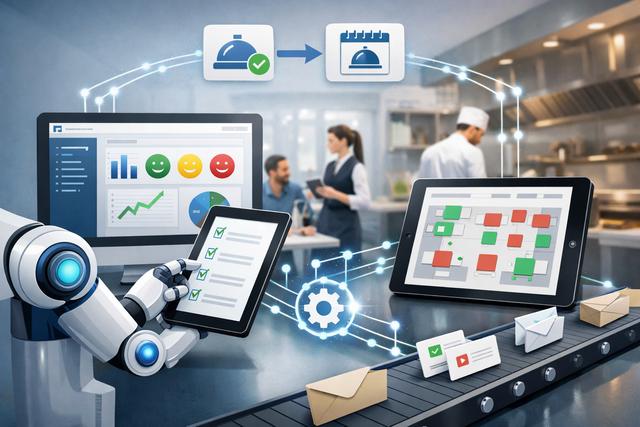
Manual feedback collection can be time-consuming and prone to errors. Automation allows you to gather feedback in real-time, ensuring that you capture guests' thoughts while their experiences are fresh. This immediacy can lead to more honest and detailed feedback.
Consider using automated surveys sent via email or SMS shortly after a guest's dining experience. This method not only increases response rates but also provides you with timely insights. For instance, a restaurant that implemented automated feedback collection saw a 40% increase in responses within the first month, allowing them to quickly address issues and enhance guest satisfaction.
Additionally, you can segment your feedback based on various criteria, such as time of visit or specific events. This segmentation allows you to identify patterns and make informed decisions. For example, if feedback from Friday night diners is consistently more positive than from Sunday brunch guests, you might want to investigate what’s different about those experiences.
Improving Customer Satisfaction
When guests feel heard, they’re more likely to return. Automation helps you respond to feedback quickly, showing your customers that you value their opinions. By addressing concerns promptly, you can turn a negative experience into a positive one.
For example, if a guest reports a long wait time through an automated survey, you can take immediate steps to improve service. This responsiveness can enhance your reputation and encourage repeat business. In fact, 70% of consumers say they would be more likely to return to a restaurant that addressed their feedback.
You can also use positive feedback in your marketing. If a guest praises your restaurant on social media, consider sharing that testimonial in your promotional materials. This not only builds trust with potential customers but also shows your existing guests that you appreciate their feedback.
Leveraging Data for Better Decisions
Automated feedback systems do more than just collect responses; they analyze data to provide actionable insights. You can identify trends over time, such as peak dining times or popular menu items. This data can inform staffing decisions, menu changes, and marketing strategies.
For instance, a restaurant that tracked feedback over several months discovered that their brunch menu was particularly popular on Sundays. They decided to expand their brunch offerings, leading to a 25% increase in Sunday sales. This is the power of data-driven decision-making.
Furthermore, you can track metrics like Net Promoter Score (NPS) to measure customer loyalty. If your NPS is low, dive deeper into the feedback to understand the underlying issues. Addressing these concerns can lead to a more loyal customer base, which is crucial for long-term success.
Integrating Feedback with Other Systems
Integrating your feedback system with other management tools can enhance your operational efficiency. For example, combining guest feedback with your reservation system can help you understand which guests are repeat visitors and how their experiences differ from first-time diners.
This integration allows you to tailor your service to individual guests, creating a personalized dining experience. A restaurant that implemented this strategy saw a 30% increase in repeat customers within six months. They used feedback data to create personalized offers for returning guests, further enhancing their loyalty.
Additionally, consider integrating your feedback system with your inventory management. If multiple guests comment on a dish being unavailable, you can adjust your inventory orders accordingly, preventing future disappointments.
Cost-Effectiveness of Automation
Investing in automated feedback systems can lead to significant cost savings. By reducing the time your staff spends on manual feedback collection, you can allocate resources more effectively. This means more time can be spent on enhancing guest experiences rather than administrative tasks.
For example, a hotel restaurant that switched to an automated feedback system reported a 50% reduction in staff hours spent on feedback collection and analysis, allowing them to focus on improving service quality. This shift not only saved money but also improved employee morale, as staff felt less burdened by administrative tasks.
Moreover, consider the potential revenue increase from improved guest satisfaction. A 5% increase in customer retention can lead to a 25% increase in profits, according to research by Bain & Company. This means that investing in automation can pay for itself many times over.
Choosing the Right Tools
When selecting an automated feedback tool, consider factors like ease of use, integration capabilities, and reporting features. Look for systems that allow you to customize surveys to match your brand voice and gather specific insights relevant to your operations.
GuestRevu’s integration with Access Collins is a great starting point. It’s user-friendly and offers robust reporting features that can help you make informed decisions. Explore more options by visiting Hotelumo’s best hotel software page.
Also, consider the scalability of the tool. As your restaurant grows, you’ll want a system that can adapt to your changing needs. Look for tools that offer advanced analytics and can integrate with other systems you use.
Final Thoughts
Automating guest feedback is an essential step towards improving your restaurant's performance. With the right tools, you can enhance customer satisfaction, make data-driven decisions, and ultimately increase your revenue. Don’t miss out on the opportunity to elevate your guest experience through automation.
For more insights on optimizing your hotel operations, check out this article on building a food and beverage budget that works for your establishment. Remember, the sooner you implement these strategies, the quicker you’ll see results in guest satisfaction and your bottom line.