
Hotel Names Matter More Than You Think
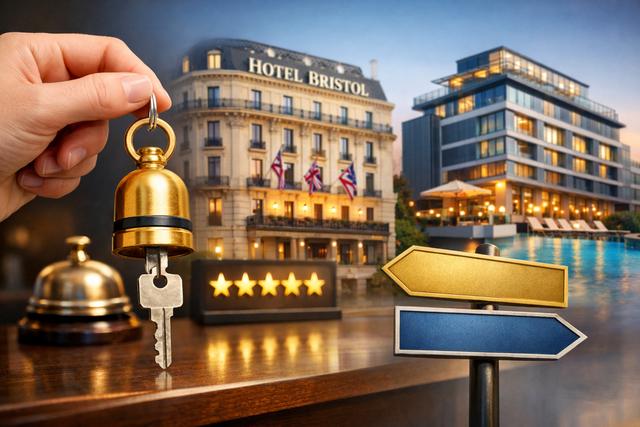
Your hotel’s name is more than just a label; it’s a critical component of your branding strategy. A compelling name can evoke emotions, create expectations, and even influence booking decisions. Research shows that 77% of consumers make purchases based on brand names, underscoring the importance of a strong identity. In the hospitality sector, this is particularly vital, as guests often choose hotels based on perceived value and reputation.
Consider the name 'Bristol.' It carries historical significance, evoking images of British charm and hospitality. When you choose a name that resonates with your target audience, you’re not just naming your hotel; you’re establishing a brand that guests can connect with. For example, a hotel named 'Bristol Heritage Inn' immediately suggests a connection to the city’s rich history, attracting guests interested in culture and exploration.
Brand Recognition and Trust

Brand recognition plays a vital role in the hospitality industry. A well-known name can instill trust and credibility. According to a study by Nielsen, 59% of consumers prefer to buy new products from brands they’re already familiar with. This translates directly to the hotel industry, where guests often feel more comfortable booking with a brand they recognize.
For instance, if your hotel name includes a recognizable city or landmark, like Bristol, it can enhance your visibility in search results. This means more potential guests will find you when searching for accommodations in that area. In competitive markets, where there might be dozens of hotels, a name that stands out can lead to a 20-30% increase in direct bookings.
Creating Emotional Connections

Names like Bristol can tap into emotional connections. They evoke memories, experiences, and even aspirations. When guests hear your hotel’s name, they might think of past trips or dream vacations. This emotional resonance can be a powerful motivator for bookings.
To leverage this, consider incorporating local culture or history into your hotel’s branding. For example, if your hotel is located in a historic district, using a name that reflects that heritage can draw in guests who appreciate authenticity. You could even host events or themed weekends that celebrate the local culture, further cementing the emotional connection guests feel toward your hotel.
SEO Benefits of a Strong Hotel Name
A strategically chosen hotel name can also improve your search engine optimization (SEO). Including relevant keywords in your hotel name can help you rank higher in search results. For example, if you name your hotel 'Bristol Riverside Inn,' it can attract guests searching for accommodations near the river.
Moreover, a unique name can reduce competition in search rankings. If your hotel name is distinctive, it’s easier for potential guests to find you online. This can lead to higher traffic to your website and ultimately more bookings. To maximize this, consider conducting keyword research to identify terms potential guests are searching for. Tools like Google Keyword Planner can help you find relevant keywords that can be integrated into your hotel’s name and website content.
Consistency Across Branding
Your hotel name should be consistent with your overall branding. This includes your logo, website design, and marketing materials. A cohesive brand image helps reinforce your identity and makes your hotel more memorable. A study by Lucidpress found that consistent branding can increase revenue by up to 23%.
For instance, if you choose a name like Bristol, your logo could incorporate elements that reflect the city, such as its iconic architecture. This visual consistency can enhance brand recognition and help guests associate your hotel with the experience they’re seeking. Make sure your branding is reflected in all your marketing channels, including social media, email newsletters, and your website.
Utilizing Online Platforms for Branding
In today’s digital age, your hotel’s name will often be the first impression potential guests have of your brand. It’s essential to utilize online platforms effectively to showcase your hotel’s identity. This includes social media, review sites, and your hotel’s website.
For example, ensure that your hotel name is prominently displayed on your website and social media profiles. Encourage satisfied guests to leave reviews that mention your hotel’s name, which can build credibility and improve your online presence. Engaging with guests on platforms like Instagram or Facebook can also help create a community around your brand, leading to increased loyalty and repeat bookings.
Local Partnerships and Community Engagement
Building partnerships with local businesses can enhance your hotel’s brand and name recognition. Collaborating with restaurants, attractions, and tour companies in Bristol can create a network that benefits everyone involved.
Consider offering packages that include local experiences, such as guided tours or dining discounts. This not only promotes your hotel but also reinforces your connection to the Bristol community, making your hotel more appealing to guests. For example, partnering with a local brewery to offer a 'Bristol Beer Experience' can attract craft beer enthusiasts and create a unique selling point for your hotel.
Measuring the Impact of Your Hotel Name
To understand how your hotel name is performing, track key metrics such as occupancy rates, direct bookings, and guest feedback. Tools like the hotel occupancy rate calculator can provide insights into how effective your branding is. Regularly analyzing these metrics can help you identify trends and make data-driven decisions.
For example, if you notice a spike in bookings after a rebranding or name change, it’s a clear indicator that your new name resonates with guests. Use this data to refine your branding strategy continually. Additionally, consider conducting surveys to gather direct feedback from guests about their perceptions of your hotel’s name and branding.
Adapting Your Strategy Over Time
The hospitality industry is ever-changing, and so should your branding strategy. Stay attuned to market trends and guest preferences. If you find that your hotel name isn’t attracting the desired audience, don’t hesitate to reassess it.
For instance, if you’re targeting a younger demographic, consider a name that feels modern and trendy, while still paying homage to your location. This adaptability can keep your hotel relevant and appealing. You might also want to experiment with different marketing strategies, such as influencer partnerships or targeted advertising, to see what resonates best with your audience.
Conclusion: The Lasting Impact of a Hotel Name
Your hotel’s name is a powerful tool that can shape perceptions, drive bookings, and establish a lasting brand identity. By considering the significance of names like Bristol, you can create a brand that resonates with guests and stands out in a competitive market.
Remember, a thoughtful name combined with a strong branding strategy can lead to long-term success in the hospitality industry. For more insights on enhancing your hotel’s marketing efforts, check out our article on enhancing hotel marketing through storytelling. Stay proactive in refining your brand, and your hotel will thrive in the ever-evolving landscape of hospitality.